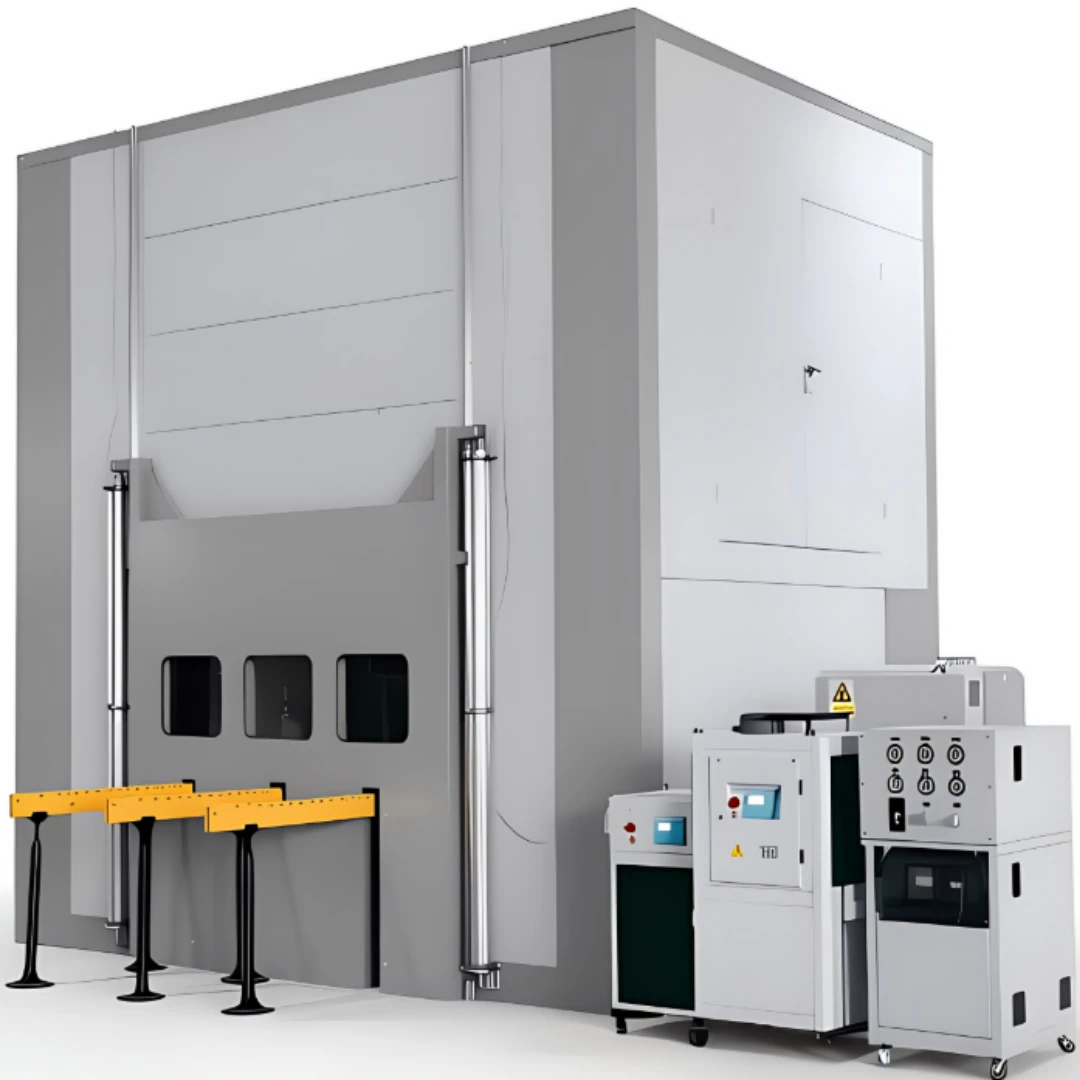
Meta Title: Customizable Industrial Soundproof Rooms (20-45dB) | Noise Control Solutions
Meta Description: Reduce industrial noise with customizable soundproof rooms offering 20-45dB attenuation. Ideal for factories, workshops, and machinery enclosures. Learn about features and custom options.
In today's industrial landscape, managing noise pollution is not just a matter of compliance-it's a critical factor in worker safety, productivity, and community relations. A customizable industrial soundproof room (20-45dB) offers a flexible, high-performance solution for isolating noisy machinery, creating quiet control rooms, or establishing dedicated testing areas.
Whether you are dealing with a 110dB punch press or a 75dB generator, achieving the right acoustic environment requires a tailored approach. This guide explores how these modular soundproof rooms work and why customization is key to your success.
Why Choose a 20-45dB Soundproof Room?
The 20-45dB noise reduction range is the industry sweet spot for most heavy industrial applications. It is strong enough to bring dangerous high-decibel machinery down to safe conversational levels (below 85dB), yet practical enough for efficient ventilation and access.
Key Applications
Machinery Enclosures
Enclose compressors, generators, or CNC machines without disrupting operation.
Quality Control Rooms
Create a quiet space for sensitive testing and measurement.
Operator Control Cabins
Provide a comfortable, noise-free environment for staff monitoring loud production lines.
In-Plant Offices
Establish a quiet administrative area right on the factory floor.
The Anatomy of an Effective Industrial Soundproof Room
A true industrial-grade soundproof room is more than just a box. It requires an engineered system to achieve the promised 20-45dB attenuation. When sourcing your solution, ensure it includes:
1. High-Mass Acoustic Panels
The walls and ceiling typically feature a multi-layer construction-often combining steel plate, damping compounds, and high-density acoustic insulation (like rock wool or glass wool). This sandwich structure is crucial for blocking airborne noise.
2. Acoustic Doors and Windows
These are the weakest points in any enclosure. Industrial rooms should feature specialized acoustic doors with heavy-duty seals and multi-point locking, as well as double-glazed windows with staggered glass thicknesses to prevent resonance.
3. Ventilation & Silencers
You cannot seal a room completely-especially if it houses heat-generating equipment or people. Proper acoustic louvers and duct silencers must be integrated to allow airflow while maintaining the noise reduction rating.
4. Modular Construction
For true customization, modular panels are essential. They allow the room to be built to your exact dimensions-whether you need a small 2m x 2m enclosure or a large 10m x 5m control cabin-and can be disassembled and relocated if your factory layout changes.
Conclusion
Investing in a customizable industrial soundproof room (20-45dB) is a strategic move that protects your workforce, improves communication, and ensures environmental compliance. By choosing a modular, engineered solution, you gain a flexible asset that can adapt to your changing production needs.
Ready to solve your industrial noise challenge? [Contact our engineering team today] to discuss your specific decibel requirements and receive a custom quote.